


What is Good for Eye Redness, How to Get Rid of It? Causes and Treatment Methods
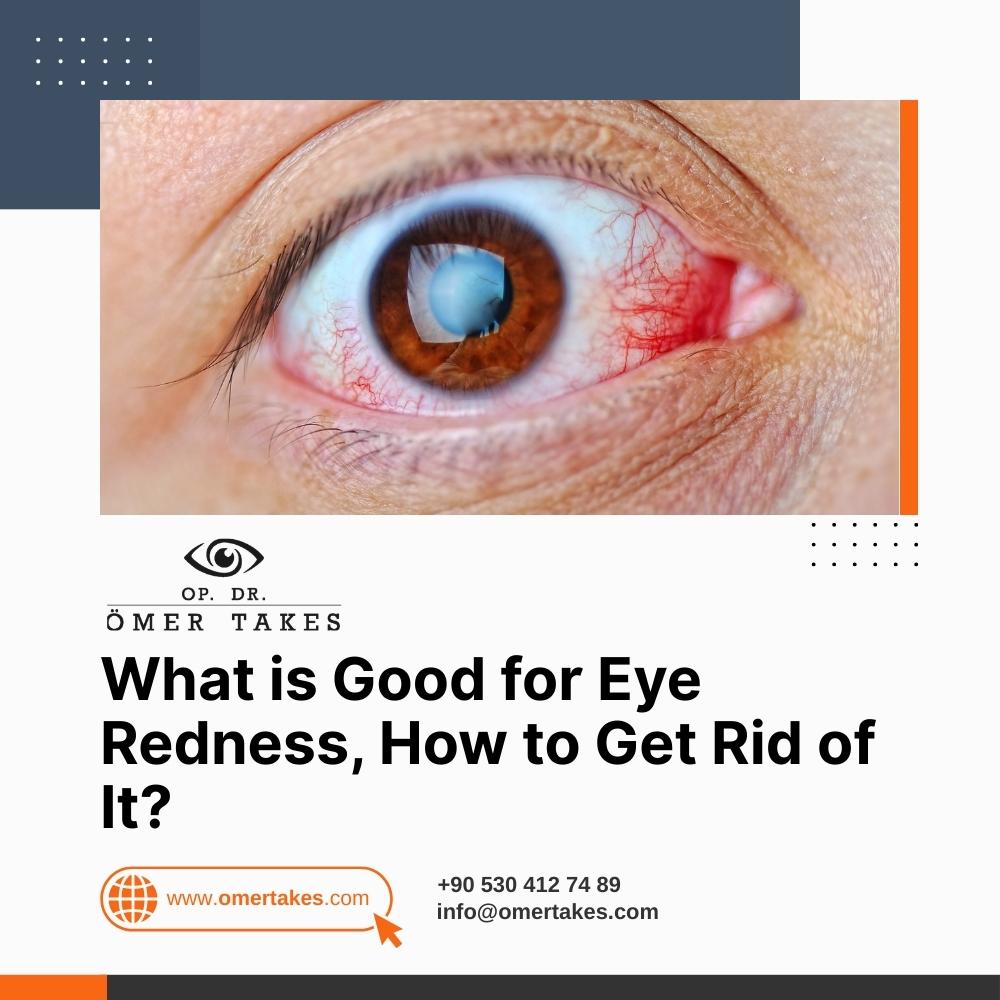
Eye redness (bloodshot eye) is a common complaint that we all encounter at some point in our lives, sometimes when we look in the mirror when we wake up in the morning, and sometimes revealing itself after a long shift.
This condition, which occurs when the small blood vessels in the white part of the eye expand and turn a red or pink color, is mostly the result of fatigue or a mild irritation, but it can sometimes be a harbinger of serious eye diseases that need to be taken seriously.
Many different factors play a role in the occurrence of redness. While allergic reactions and dry eyes are among the most common causes; infections, traumas, and even physical strain such as lifting heavy objects can cause our eyes to become bloodshot.
Bilateral redness mostly develops as a result of allergies or systemic conditions, while unilateral redness usually occurs due to blows to the eye, infections, or localized eye diseases.
So, what exactly is eye redness, what are the hidden causes behind it, and most importantly, how does this condition go away? In this comprehensive guide, you will find the answers to all your questions about eye redness. For a professional evaluation, you can contact us here.
What is Eye Redness (Bloodshot Eye)?
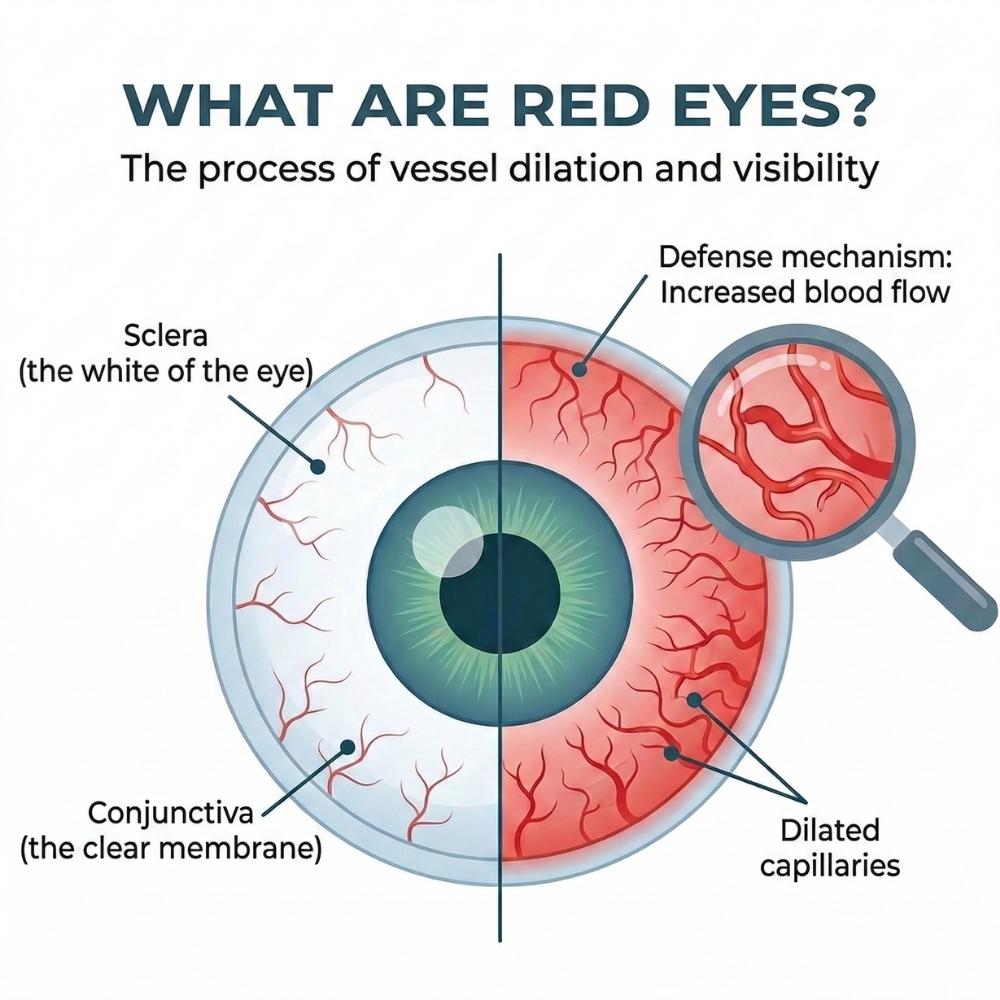
In medical terminology, eye redness is a condition in which the capillaries in the thin membrane layer called the "conjunctiva" covering the surface of the eye or in the lower layers (sclera) expand and fill with blood for various reasons.
Under normal conditions, these vessels are so thin that they are almost invisible to the naked eye.
But when the eye perceives a threat (microbes, allergens, dust, or dryness), the defense mechanism kicks in. The vessels expand so that more blood and immune cells can be transported to the area.
This expansion causes the white of the eye to take on a red, pink, and "mapped" vascular network appearance.
Eye redness is not a disease in itself, but a reaction given by the body, that is, a symptom. Although in most cases it is a harmless condition that can heal spontaneously in a short time, it can lead to serious problems up to permanent eye damage if left untreated for a long time or if the underlying root cause is not found.
What Causes Eye Redness? Everyday Triggers
When looking for the causes of eye redness, one should not always look for complex diseases. Sometimes our daily habits and environmental factors pave the way for this condition. The most common environmental and physical causes are:
- Physical Strain: Sudden increases in pressure around the head and eyes occur in situations such as violent sneezing, severe coughing fits, heavy lifting, or severe vomiting. This pressure can cause the delicate small blood vessels under the eye to rupture (subconjunctival hemorrhage), creating a bright red blood spot in a part of the eye.
- Environmental Factors: Windy weather, direct exposure to the sun's harmful UV rays, air pollution, cigarette smoke, perfume, and heavy chemical odors immediately irritate the eye surface. In addition, chlorine in swimming pools is a very strong irritant for the eyes.
- Digital Screen Fatigue: Focusing on smartphone, tablet, and computer screens for a long time reduces our blinking rate per minute by a third. When the eye is not blinked enough, the tears evaporate, and the drying eye becomes irritated and red.
- Improper Contact Lens Use: Wearing lenses longer than the recommended time, sleeping with lenses, or not following hygiene rules paves the way for the eye to lack oxygen and get infections, causing severe redness.
- Makeup and Cosmetic Products: Using expired eye makeup products or sleeping with makeup clogs the tear ducts, causing irritation and redness.
Which Diseases Are Indicated by Eye Redness?
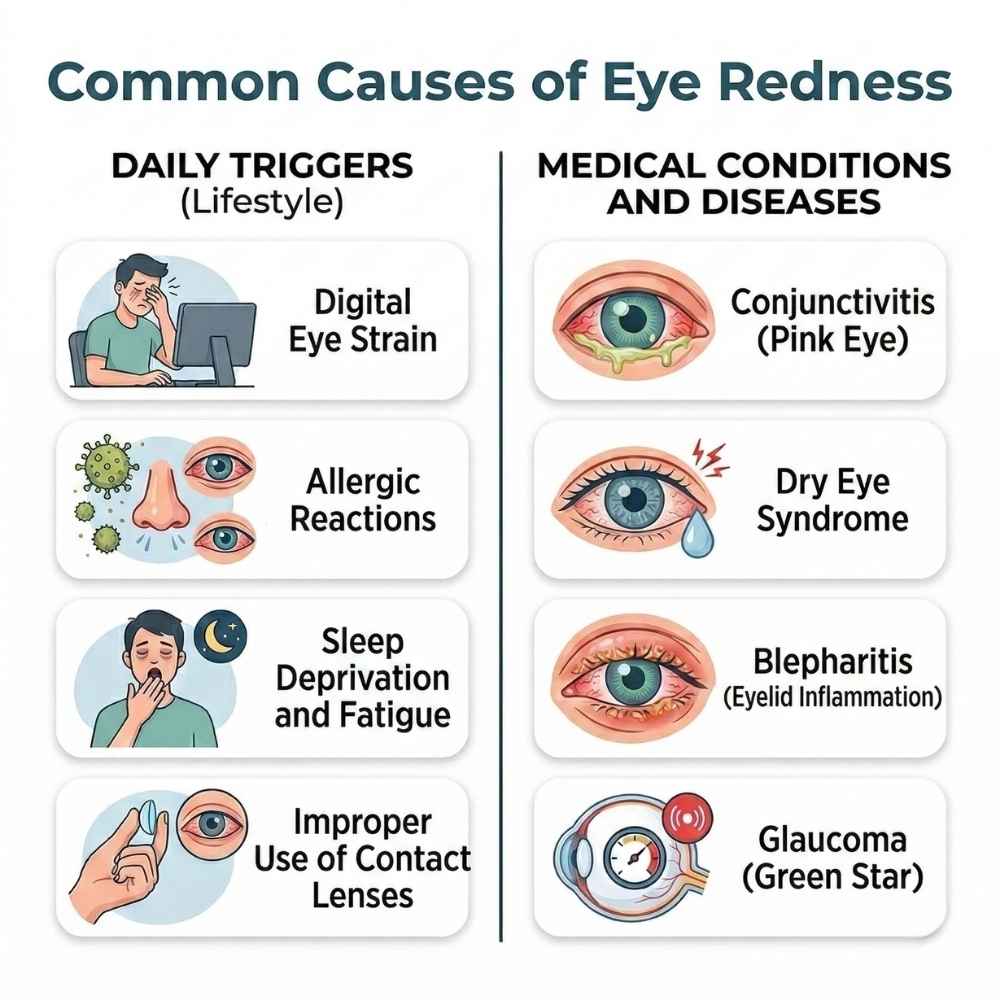
Redness sometimes appears as the most basic symptom of eye diseases that require direct medical intervention, beyond a simple irritation:
1. Conjunctivitis (Pink Eye)
It is the inflammation of the membrane covering the white of the eye and the inner surface of the eyelids. It is especially very common among children. While yellow-green discharge and stickiness in the eyelashes in the mornings are seen in bacterial conjunctivitis; viral conjunctivitis causes intense watering. Allergic conjunctivitis occurs when the immune system secretes histamine against allergens such as pollen, dust, or animal dander and is characterized by intense itching.
2. Dry Eye Syndrome
It is a condition where natural tears are insufficient in quantity or their quality deteriorates. In dry eye, besides redness; complaints such as burning, stinging, a feeling of having a grain of sand in the eye, and an "inability to cry" are seen. If left untreated, it can cause ulcers on the cornea surface.
3. Blepharitis and Chalazion
Blepharitis is an eyelid inflammation caused by the blockage of the oil glands at the edges of the eyelids. It causes swelling, flaking, and redness on the eyelids. A chalazion is the cyst form of this blockage. It manifests itself as a small, hard lump on the eyelid and local redness around it.
4. Glaucoma (Eye Pressure)
Severe eye redness occurs in acute (sudden onset) crises of glaucoma, popularly known as "eye pressure." When fluid accumulates in the front of the eye and suddenly creates pressure, the optic nerves are damaged. If redness is accompanied by severe eye pain, headache, and blurred vision, emergency intervention is essential.
5. Intraocular Inflammations (Uveitis, Scleritis)
These are inflammations occurring in the deeper layers of the eye. These conditions lead to persistent, long-lasting redness and severe light sensitivity.
When to See a Doctor?
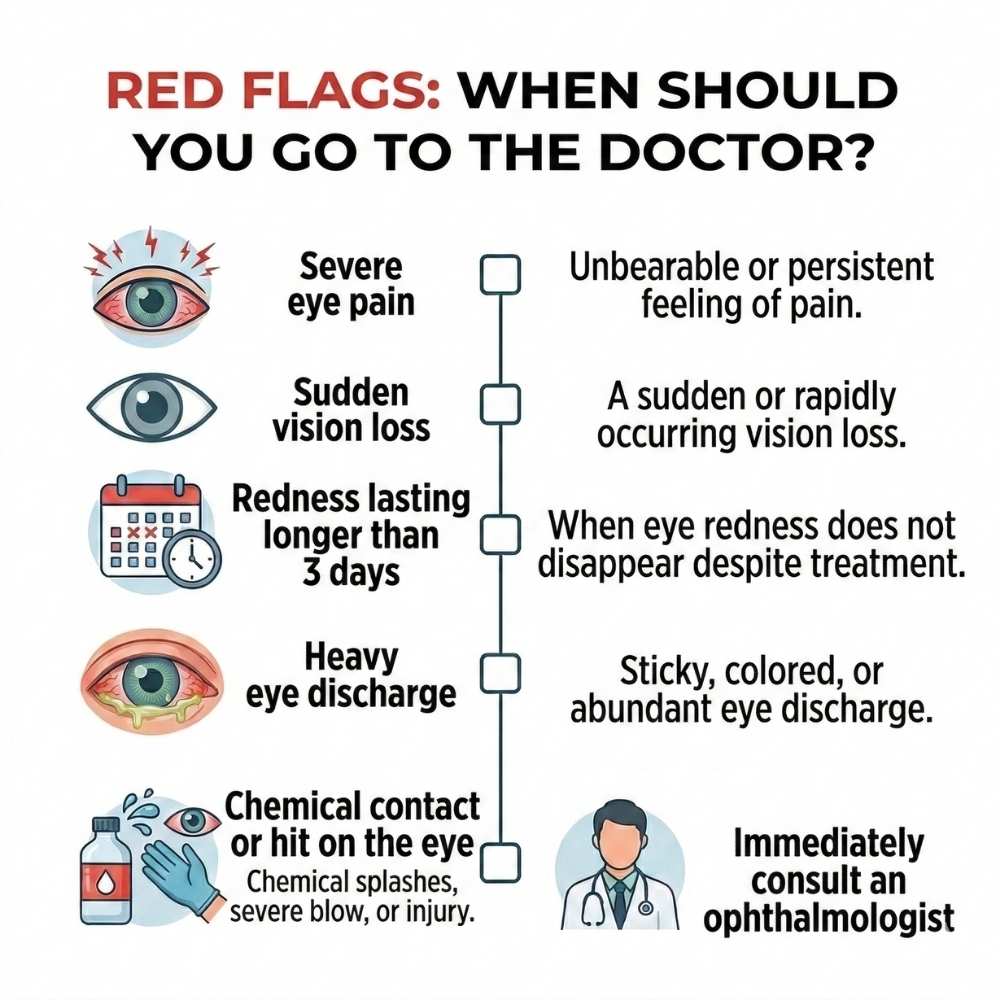
If you experience any of the following symptoms, you should consult a specialist without wasting time:
- If the redness lasts longer than 3 days,
- If there is sudden vision loss or blurred vision,
- If severe eye pain or headache accompanies it,
- If there is a thick, purulent (yellow-green) discharge from the eye,
- If a chemical substance has come into contact with the eye or a hard blow has been received.
What is Good for Eye Redness? Home Remedies
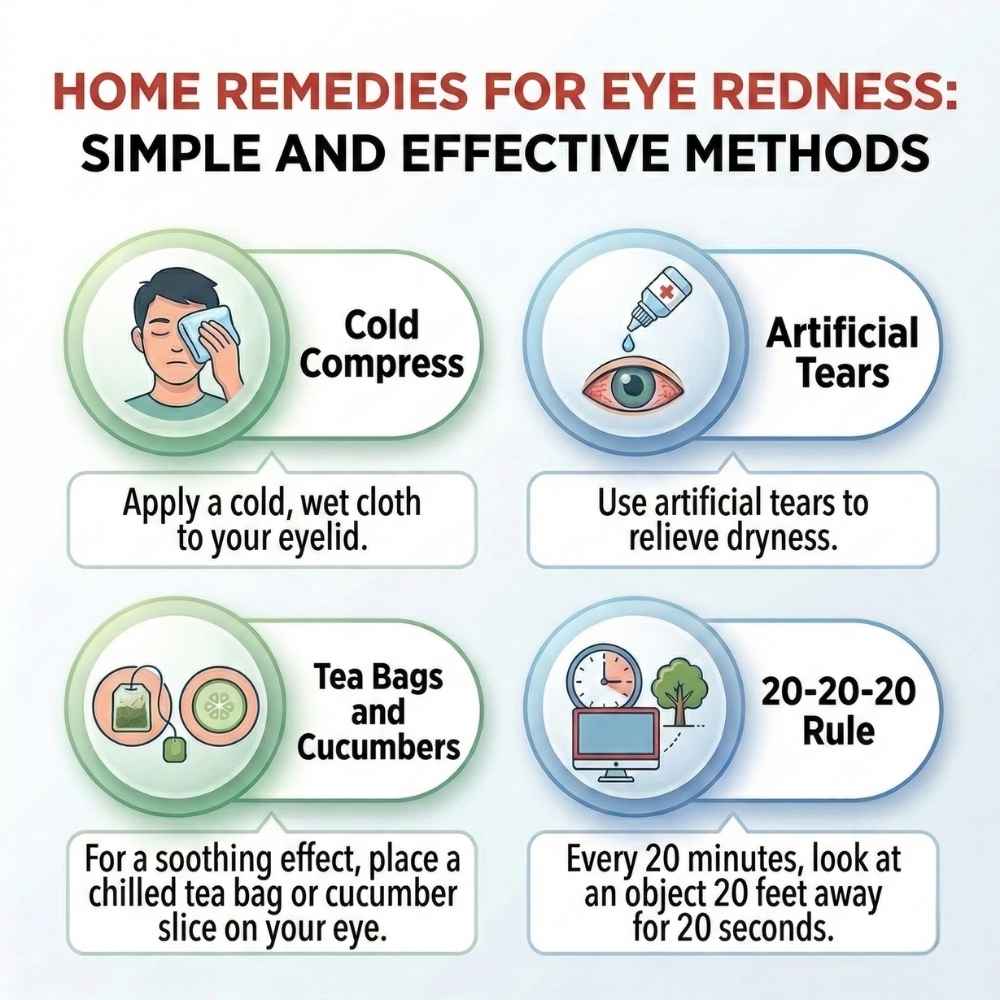
If there is no serious underlying medical problem, there are some simple but effective methods you can apply at home to alleviate eye redness:
- Apply a Cold Compress: Wet a clean cloth with cold water or use gel eye masks cooled in the refrigerator and apply them to your closed eyelids for 5-10 minutes a few times a day. The cold constricts the dilated blood vessels and quickly reduces redness and swelling.
- Artificial Tear Drops: These are over-the-counter artificial solutions available in pharmacies. In redness caused by dry eyes and mild irritations, it moisturizes the eye surface and eliminates friction and burning.
- Tea Bags and Cucumber: You can brew green tea or chamomile tea bags, cool them, and put them on your eyes. The antioxidants they contain have a soothing effect. Cold cucumber slices are also very successful in removing the heat and puffiness around the eyes.
- Screen Breaks (20-20-20 Rule): If you are in front of a digital screen, relax your eye muscles by looking at an object about 20 feet (6 meters) away for 20 seconds every 20 minutes.
How Does Eye Redness Go Away? Medical Treatment Methods
If the redness does not go away despite home interventions, our clinic can help you determine the following treatments depending on the cause:
- Antibiotic/Antiviral Drops: Used in the treatment of bacterial or viral infections.
- Antihistamine Drops: Rapidly suppresses allergic reactions and stops itching and bloodshot eyes.
- Steroid Drops: Prescribed under expert control for severe intraocular inflammations (uveitis, etc.).
Important Warning: Although over-the-counter cosmetic eye drops with vasoconstrictor (blood vessel constricting) effects provide instant whiteness, their frequent use leads to Rebound Hyperemia (more redness than before when the effect of the drop wears off). Avoid continuous use of these drops.
Frequently Asked Questions (FAQ)
Does eye redness go away on its own?
Yes, if the redness is caused by insomnia, a mild wind irritation, or short-term screen fatigue, it will go away on its own within 1-2 days when you rest your eyes.
Is eye redness contagious?
If the condition causing eye redness is viral or bacterial conjunctivitis, it is contagious. However, redness due to allergies or dryness is not contagious.
What causes redness in one eye only?
Unilateral redness is usually caused by dust or a foreign body entering the eye, a localized infection, or a scratch on the cornea.
Can artificial tear drops be used continuously?
Single-use artificial tears that do not contain preservatives can be safely used for a long time unless the doctor advises otherwise. However, bottle forms containing preservatives should not be used more than 4 times a day.