
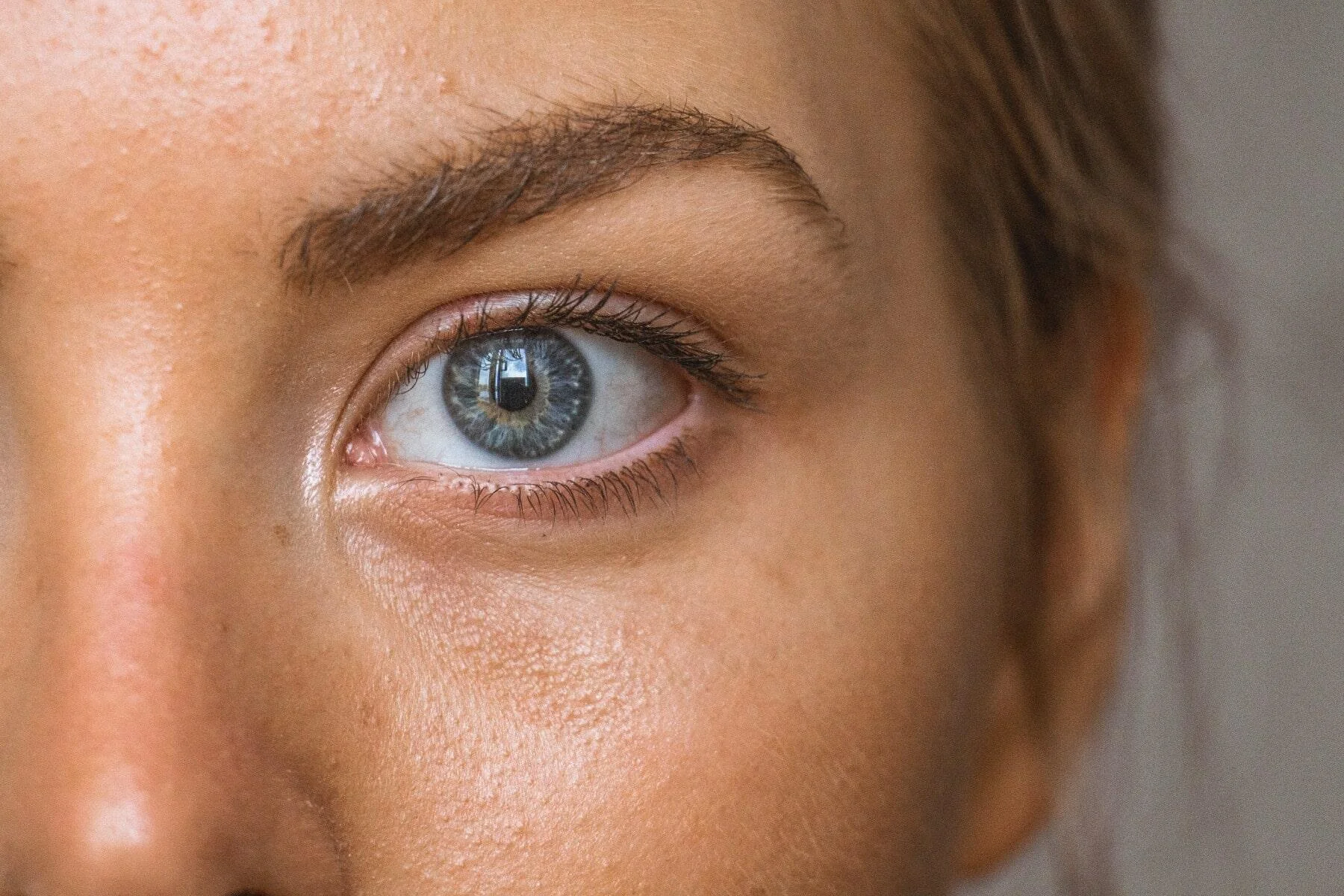

Red Eye Disease Treatment

Conjunctivitis, commonly known as red eye, is the inflammation of the membrane that covers the white part of the eye and the inner surface of the eyelids. This condition usually arises from infections (bacterial or viral), allergies, or environmental factors. Conjunctivitis can be contagious and typically presents with symptoms such as redness, tearing, burning, and discharge from the eye.

Overview of Treatment

  • Can occur at any age

  • May be caused by bacteria, viruses, or allergies

  • Common symptoms include redness, tearing, burning, and crusting in the eye

  • The bacterial form is treated with antibiotics

  • The viral form is managed with supportive care

  • The allergic form is treated with antihistamine eye drops

  • Contact lens users should avoid wearing lenses during the treatment period

  • Eye hygiene is very important for successful treatment

How Is Red Eye (Conjunctivitis) Treated?
The treatment of conjunctivitis is planned according to the underlying cause. Treatment is typically carried out with eye drops and maintaining eye hygiene.

Medication Treatment

  • Bacterial conjunctivitis: Treated with antibiotic eye drops or ointment.

  • Viral conjunctivitis: Managed with cold compresses, artificial tears, and proper hygiene.

  • Allergic conjunctivitis: Symptoms are relieved using antihistamine eye drops.

Supportive Measures

  • Washing hands frequently and avoiding eye contact is important.

  • Personal towels and pillowcases should be used.

  • Eye makeup should be avoided, and contact lenses should not be worn.

  • Cold compresses can help reduce discomfort.

Recovery Process
Bacterial conjunctivitis usually improves within 3–5 days. Viral types may last 1–2 weeks. In allergic conjunctivitis, avoiding the allergen can quickly reduce symptoms. Consistent use of prescribed medications helps reduce the risk of recurrence.

Is Red Eye Alone a Sufficient Symptom? Can Eye Redness Go Away at Home, or Is an Exam Necessary? Is Rapid Intervention Required for Eye Redness?
1: Schedule an Appointment
Book an appointment today for a consultation with our experienced eye specialists. The initial contact is crucial for planning your personalized laser eye treatment.
2: We Will Call You
After submitting your online appointment request, we will contact you by phone as soon as possible to confirm your appointment. During this phone call, we will ask additional questions to ensure we provide the appropriate care and attention for your needs and discuss further details.
3: Preliminary Evaluation
After confirming your appointment, we will invite you for a comprehensive preliminary examination. This preliminary examination is a critical step in the process of your laser eye treatment. During this appointment, our expert ophthalmologists will conduct a thorough assessment of your eyes to determine if you are a suitable candidate for the treatment.
4: Treatment
Once the comprehensive preliminary examination is complete and both you and our team have made an informed decision regarding your laser eye treatment, it’s time to begin the actual procedure. At our clinic in Rotterdam, you will be warmly welcomed and guided through the next stage of the process.
5: Post-Treatment Check-up
Proper and consistent aftercare is essential for a successful recovery following laser eye surgery. One of the most important steps in this process is the follow-up examination, during which your eye doctor will check your eyes and assess your healing progress. These check-ups help support optimal healing and allow for early detection of any possible complications.

Conjunctivitis (Red Eye) Treatment in Izmir, Turkey


Red eye is a condition where the white part of the eye becomes red due to the dilation or inflammation of the blood vessels. This may be accompanied by discomfort, watering, itching, and sometimes visual disturbances. It typically arises from irritation of the outer layer of the eye, and identifying the underlying cause is crucial for appropriate treatment.


Causes of Red Eye

Infections

  • Conjunctivitis: Inflammation of the outer surface of the eye caused by bacteria, viruses, or allergens. It is characterized by redness, watering, and discharge.

  • Blepharitis: Inflammation of the eyelids, often resulting in redness, itching, and crusting on the lids.

  • Keratitis: Inflammation of the cornea, usually due to infection. It can cause severe pain and vision loss.

Allergic Reactions

  • Allergic Conjunctivitis: Exposure to allergens such as pollen, dust, or animal dander causes redness and itching in the eyes.

Trauma

  • Physical Injury: Foreign objects, scratches, or cuts can lead to eye redness.

  • Chemical Burns: Contact with chemical substances can cause redness and inflammation.

Dry Eyes

  • Insufficient moisture on the surface of the eye can result in irritation and redness.

Contact Lens Use

  • Prolonged or improper use of contact lenses under unhygienic conditions may lead to redness and infection.

Eye Fatigue

  • Prolonged computer use, reading, or tasks requiring intense focus may result in red eyes.


Symptoms of Red Eye

  • Redness and swelling in the eye

  • Burning or stinging sensation

  • Light sensitivity (photophobia)

  • Watering and discharge

  • Blurred or unclear vision

  • Itching and discomfort


Treatment Methods for Red Eye

Medication

  • Antibiotic Eye Drops: Used for bacterial infections

  • Antiviral Eye Drops: Used for viral infections

  • Antihistamine Eye Drops: Effective for allergic reactions

  • Steroid Eye Drops: Reduce inflammation but should be used cautiously in infection-related cases

Artificial Tears

  • Description: Used to relieve dryness and hydrate the eye surface

  • Benefit: Helps reduce irritation and redness

Discontinuation of Contact Lenses

  • Description: Temporary pause in lens use during treatment

  • Benefit: Aids in recovery and reduces infection risk

Maintaining Eye Hygiene

  • Description: Proper hygiene practices help reduce the risk of infection and support treatment

  • Benefit: Promotes faster healing of inflammation

Reducing Eye Strain

  • Description: Take regular breaks during extended screen use or reading

  • Benefit: Helps alleviate fatigue and redness


Important Considerations in Red Eye Treatment

  • Early Diagnosis: Identifying the cause early improves treatment outcomes and prevents complications

  • Regular Check-ups: Ongoing monitoring during treatment increases effectiveness

  • Contact Lens Hygiene: Users must maintain proper hygiene and adhere to recommended usage periods

  • Eye Protection: Use protective eyewear to avoid exposure to chemicals or injury
     

With the right treatment methods, red eye can be effectively managed, helping to maintain overall eye health.
Ophthalmology Specialist Op. Dr. Ömer TAKEŞ offers the most appropriate solutions with his broad experience and expertise, ensuring his patients regain clear and comfortable vision.

Op. Dr. Ömer Takeş
Op. Dr. Ömer Takeş provides services at his Private Eye Diseases and Surgery Clinic located in Alsancak, İzmir, offering treatments such as cataract surgery, smart lenses, trifocal lenses, and laser surgeries including Femto-LASIK and SMILE PRO...


We are just a message away for healthy vision!
  
We would be happy to answer any questions you have about your eye health. Contact us to schedule an appointment or ask anything you're curious about!
Uygunluk Testi